

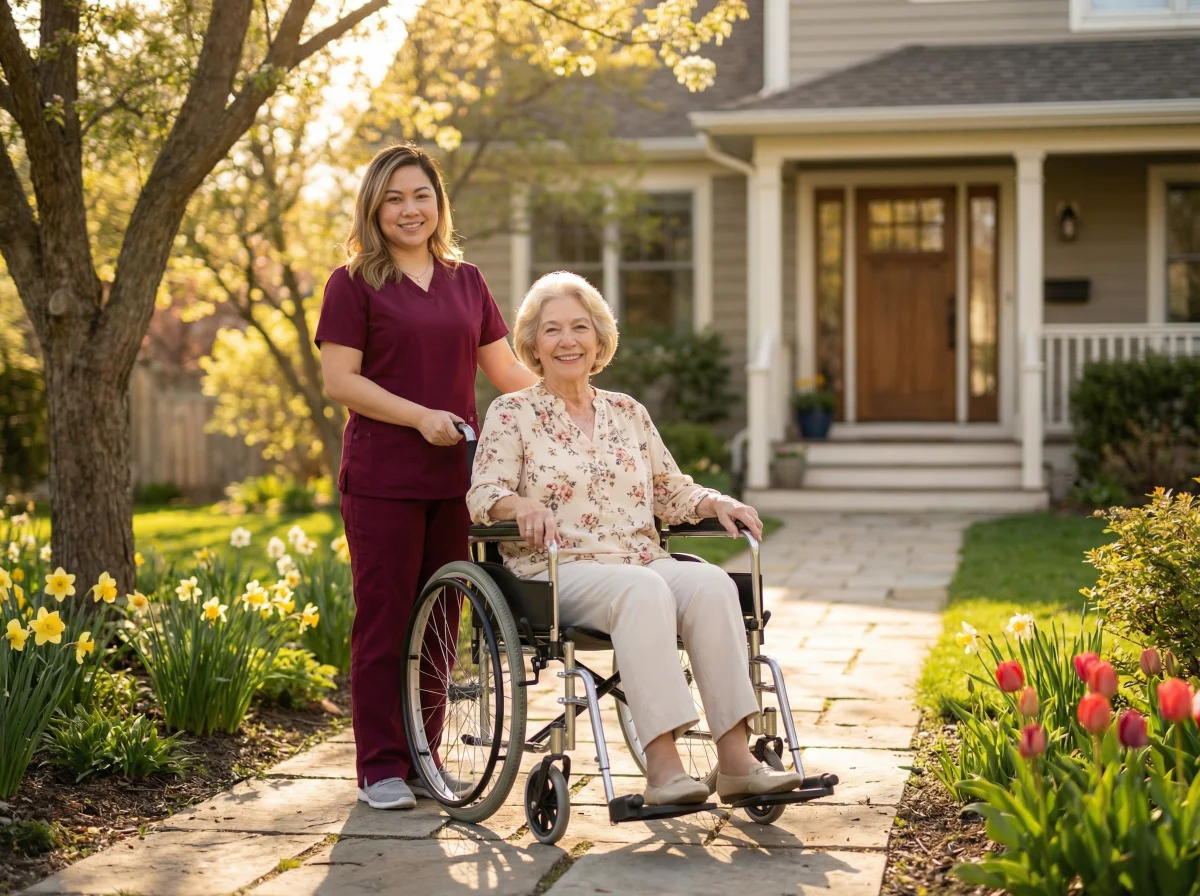
Stroke Recovery Care in Fort Richmond
Stroke Recovery Care. Nurse-led. Doctor-supported.
The transition from hospital to home after a stroke is one of the most vulnerable periods in recovery. Neuroplasticity demands early, intensive, and consistent therapeutic support — and delays mean lost windows for motor and cognitive recovery. Our nurse-led team bridges the gap between hospital discharge and full rehabilitation, ensuring skills are rebuilt safely in the comfort of home.
Care planning in Fort Richmond: Care in Fort Richmond can support a return home from Victoria General, mobility and rehabilitation routines, personal care, companionship, or family respite while keeping the plan workable for a multi-generational household.
How this service connects to local care
A plan for the person, the home, and the schedule
How the service fits
Stroke Recovery Care care should translate the clinical plan into a workable home routine, including symptoms to monitor, personal support, medication instructions, mobility, nutrition, appointments, family respite, and when to contact the treating team.
Hospital and appointment handoff
If care follows a stay or appointment at Victoria General Hospital, share the discharge date, written instructions, medication changes, mobility limits, equipment needs, and follow-up schedule. Prime provides discharge planning, hospital-to-home transportation, appointment escorts, nursing, and post-surgery support.
Home and scheduling details
The nurse assessment should review entrances, stairs or elevators, bathroom access, safe transfers, medication storage, caregiver access, parking, and whether overnight support is required. Confirm preferred visit times, appointment dates, family handoffs, language preferences, and whether overnight care means an awake shift or a live-in arrangement.
Official public-care resources for Fort Richmond
What's Included
What Your Family Gains
Skills rebuilt faster
Daily reinforcement of OT, PT, and SLP exercises means neuroplasticity windows are used, not wasted.
Readmissions prevented
Blood pressure, medication adherence, and early infection signs monitored at every visit.
Falls avoided
Home safety assessment on day one catches risks families miss — loose rugs, dim hallways, shower transfers.
Depression caught early
Post-stroke depression affects 1 in 3 survivors. Consistent caregivers spot mood shifts before families do.
Geographic and facility context for Fort Richmond, Winnipeg
Nearest hospital
Victoria General Hospital (~4 min)
Care facilities nearby
Pembina Place Mennonite PCH · Victoria Landing PCH
Area character
Family-friendly 1970s–80s suburb east of the University of Manitoba with crescent streets, schools, and proximity to the Red River.
Community context
Mixed demographic — original homeowners now aging into 70s alongside new multi-generational immigrant families often caring for parents.
Common Questions